
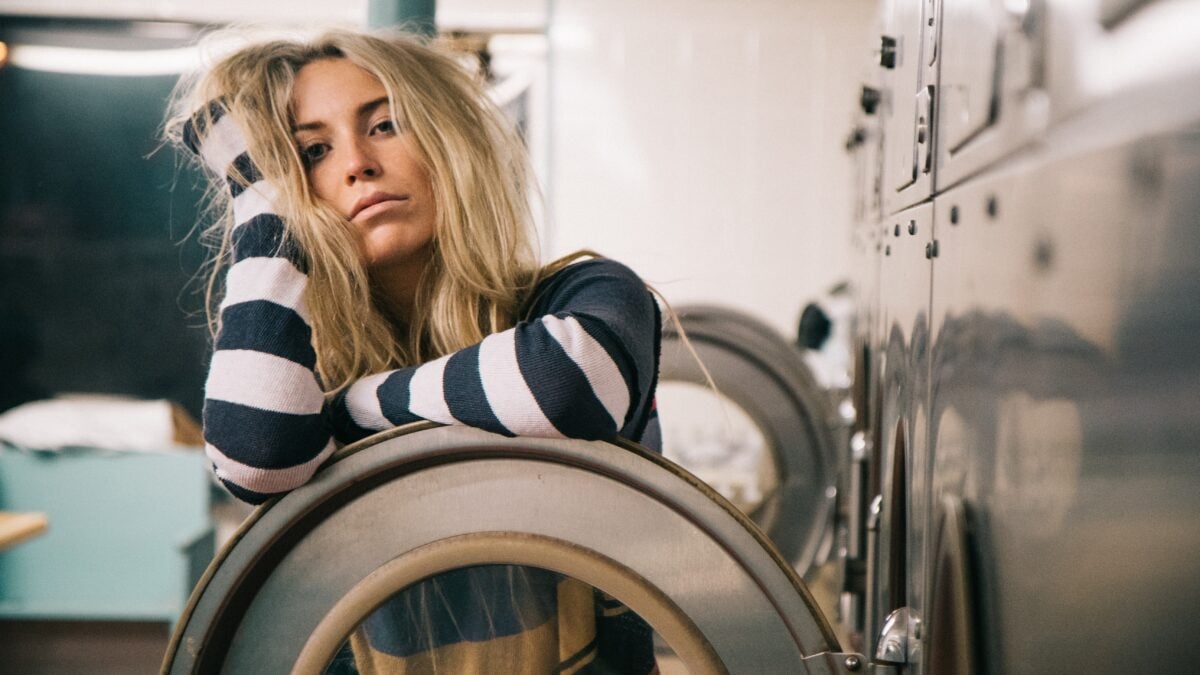
The wellness industry is changing rapidly. Consumers are no longer satisfied with generic self-care advice or one-size-fits-all health solutions. Instead, people are looking for experiences and products tailored to their unique lifestyles, emotional needs, and personal wellness goals. At the center of this transformation is Mood, a modern wellness brand helping redefine how personalized self-care fits into everyday life.
By focusing on balance, emotional well-being, and individualized wellness experiences, Mood is shaping a new era where self-care feels more personal, intentional, and connected to modern lifestyles.
The Shift Toward Personalized Wellness

For many years, wellness brands focused on broad solutions designed for mass audiences. While these products appealed to general health trends, they often overlooked the fact that wellness is deeply personal.
Today’s consumers want more than standard routines they want wellness experiences that reflect their individual needs, habits, and emotional lifestyles.
Mood embraces this shift by creating a brand experience centered around personalization and emotional connection. Instead of presenting wellness as a rigid routine, the brand encourages consumers to build self-care practices that feel natural, flexible, and meaningful in their own lives.
This approach reflects a larger movement happening across the wellness industry, where personalization is becoming one of the most important factors in consumer engagement.
Wellness Beyond Physical Health
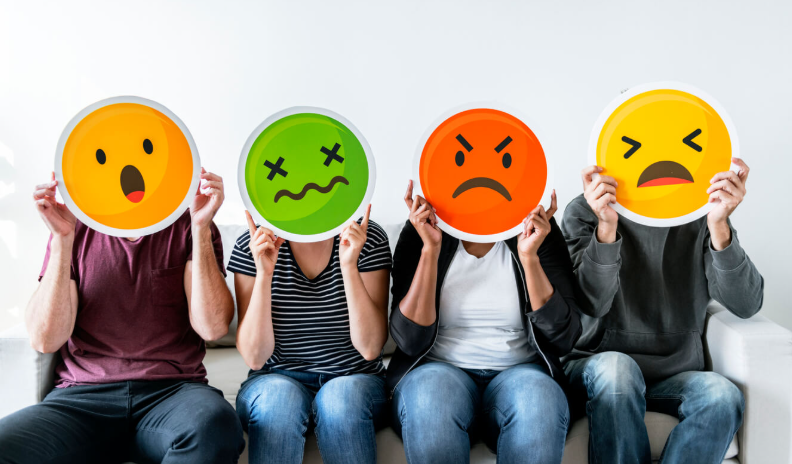
Modern wellness is no longer limited to fitness or nutrition. Emotional balance, stress management, mindfulness, and mental clarity have become equally important aspects of self-care.
Mood recognizes that true wellness involves both the mind and body.
By focusing on relaxation, emotional well-being, and lifestyle balance, the brand supports a more holistic understanding of health. This broader approach allows consumers to prioritize how they feel emotionally, not just physically.
As more people seek healthier ways to manage stress and maintain balance, wellness brands like Mood are becoming increasingly relevant in everyday life.
Creating a More Human Wellness Experience

One of the reasons Mood stands out is its ability to make wellness feel more human and relatable. Rather than promoting unrealistic perfection or complicated routines, the brand focuses on approachable self-care practices that fit naturally into modern lifestyles.
This simplicity resonates strongly with today’s consumers, many of whom are searching for realistic wellness habits they can actually maintain.
Mood’s branding, messaging, and lifestyle-focused identity create an experience that feels calm, supportive, and emotionally aware qualities that are becoming increasingly valuable in the modern wellness market.
The Power of Emotional Connection
Consumers today are drawn to brands that understand their emotions, values, and daily challenges. Mood has successfully built an identity that feels less transactional and more emotionally connected.
Its focus on relaxation, mindfulness, and balance creates a sense of comfort and familiarity that goes beyond traditional wellness marketing. Instead of simply selling products, the brand promotes a lifestyle built around intentional self-care and emotional well-being.
This emotional connection helps strengthen customer loyalty and positions Mood as a brand that genuinely aligns with modern wellness priorities.
Technology and Lifestyle Trends Driving Personalization
The rise of personalized wellness is also being fueled by changing lifestyle habits and advancements in technology. Consumers now expect brands to understand their preferences, offer tailored experiences, and provide solutions that fit their routines.
Mood reflects this new consumer expectation by emphasizing flexibility, accessibility, and lifestyle integration. Wellness is no longer something reserved for special occasions it is becoming part of daily living.
This integration of wellness into everyday routines is helping brands like Mood become more than temporary trends. They are evolving into lifestyle companions that support emotional and mental balance over time.
Redefining Self Care Culture
Self-care culture has evolved significantly over the past decade. What once focused heavily on luxury experiences and aesthetic routines is now shifting toward emotional sustainability and realistic wellness habits.
Mood represents this modern version of self-care.
The brand promotes the idea that wellness should feel supportive rather than overwhelming. Small moments of relaxation, mindfulness, and balance are positioned as essential parts of maintaining long-term well-being.
This philosophy resonates with consumers who want wellness solutions that are both effective and emotionally grounding.
The Future of Personalized Wellness
As the wellness industry continues to grow, personalization is expected to play an even larger role in shaping consumer experiences. People increasingly want wellness brands that adapt to their lifestyles rather than forcing them into rigid systems.
Mood is part of this future.
By combining emotional awareness, lifestyle-focused branding, and accessible self-care experiences, the brand is helping redefine what modern wellness looks like. Its emphasis on personalization reflects the changing priorities of consumers who value authenticity, balance, and emotional well-being as much as physical health.
Final Thoughts
Mood is helping transform modern wellness by making self-care more personal, emotionally connected, and lifestyle-focused. Through its emphasis on relaxation, mindfulness, and individualized wellness experiences, the brand reflects the growing demand for a more human approach to health and self-care.
In a world where stress and overstimulation have become everyday challenges, brands like Mood are proving that personalized wellness is not just a trend it is the future of modern living.