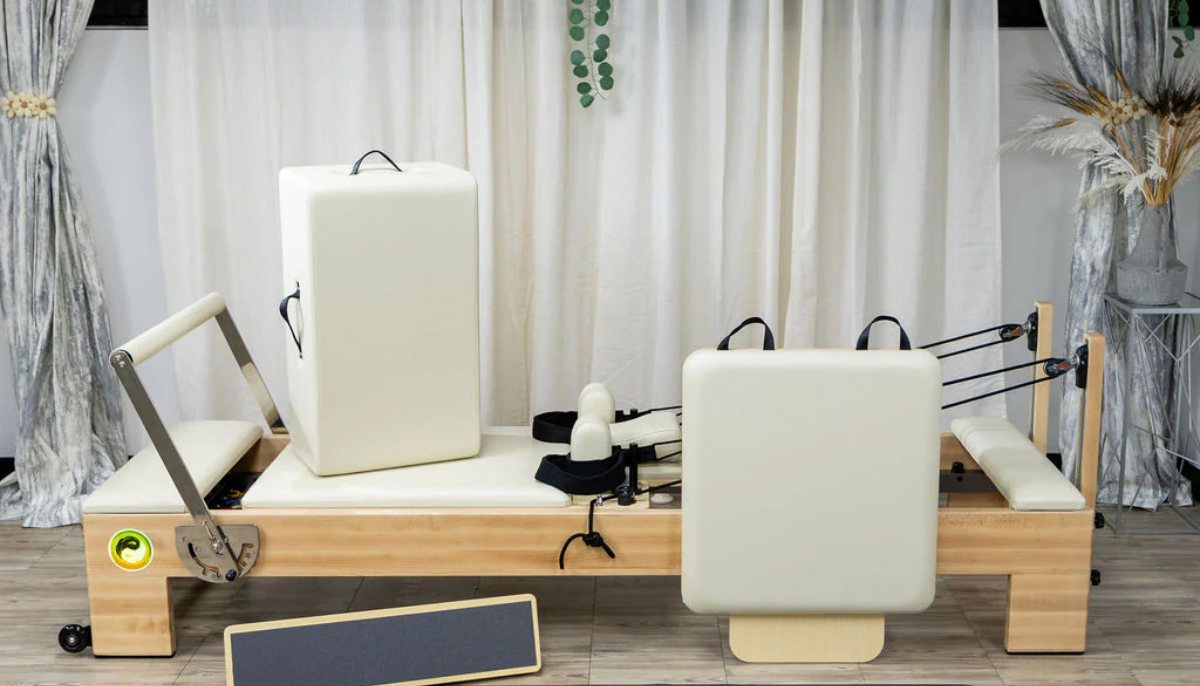
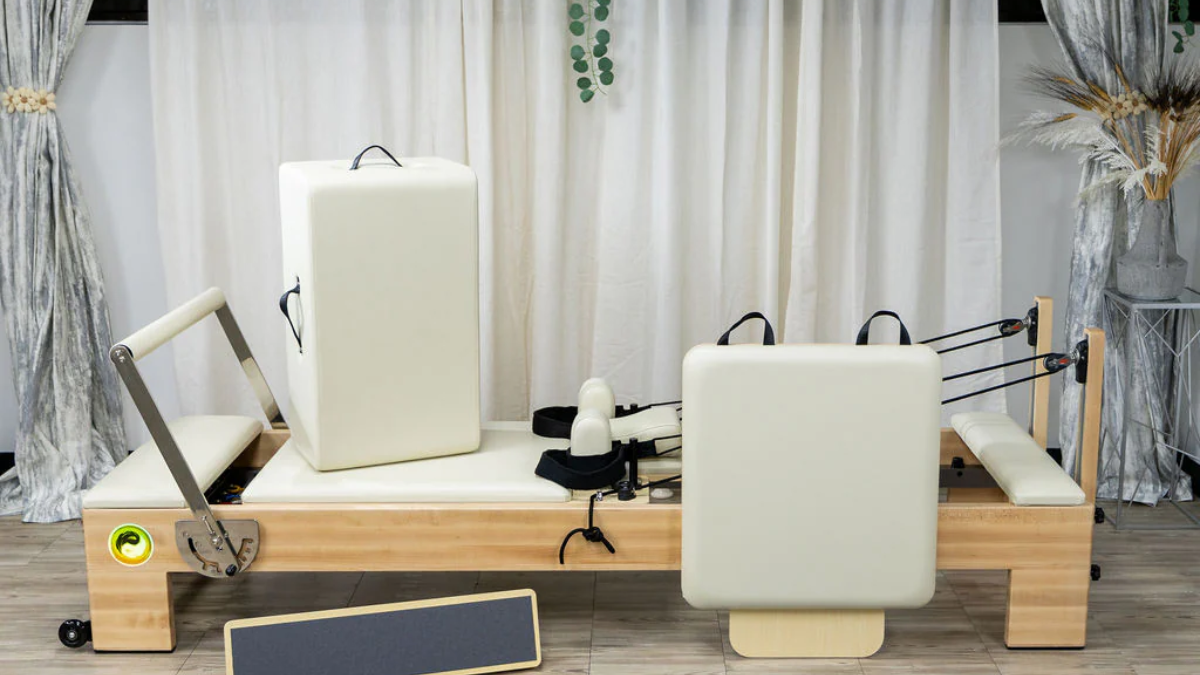
Pilates has always been about precision, control, and awareness. In a studio, these elements come together naturally through structured sessions and specialized equipment. At home, many people struggle to recreate that same feeling. The intention is there, but the environment often falls short. That gap between studio quality and home convenience is what has pushed many Pilates practitioners to rethink how they train outside class.
The idea is not to copy a studio perfectly. It is to capture the essence of what makes Pilates effective and bring that into a personal space where practice can happen more often.
Before diving in, here is a quick summary.
TL;DR
- Studio level Pilates relies on structure and consistency
- Home workouts often fail due to lack of proper setup
- The right equipment changes how sessions feel
- Practicing at home becomes more focused and intentional
Why studio Pilates feels different
Anyone who has trained in a Pilates studio knows the difference immediately. Movements feel smoother, transitions are more controlled, and the body stays engaged throughout the session. This is not only because of instruction, but also because of the environment itself.
People searching for studio style Pilates at home are usually trying to understand what they are missing. Often, it comes down to resistance control, alignment support, and a sense of flow that basic home workouts do not provide.
Bringing intention into the home space
One of the biggest challenges of home training is distraction. Living spaces are not designed for movement practice. Phones, noise, and daily responsibilities interrupt focus.
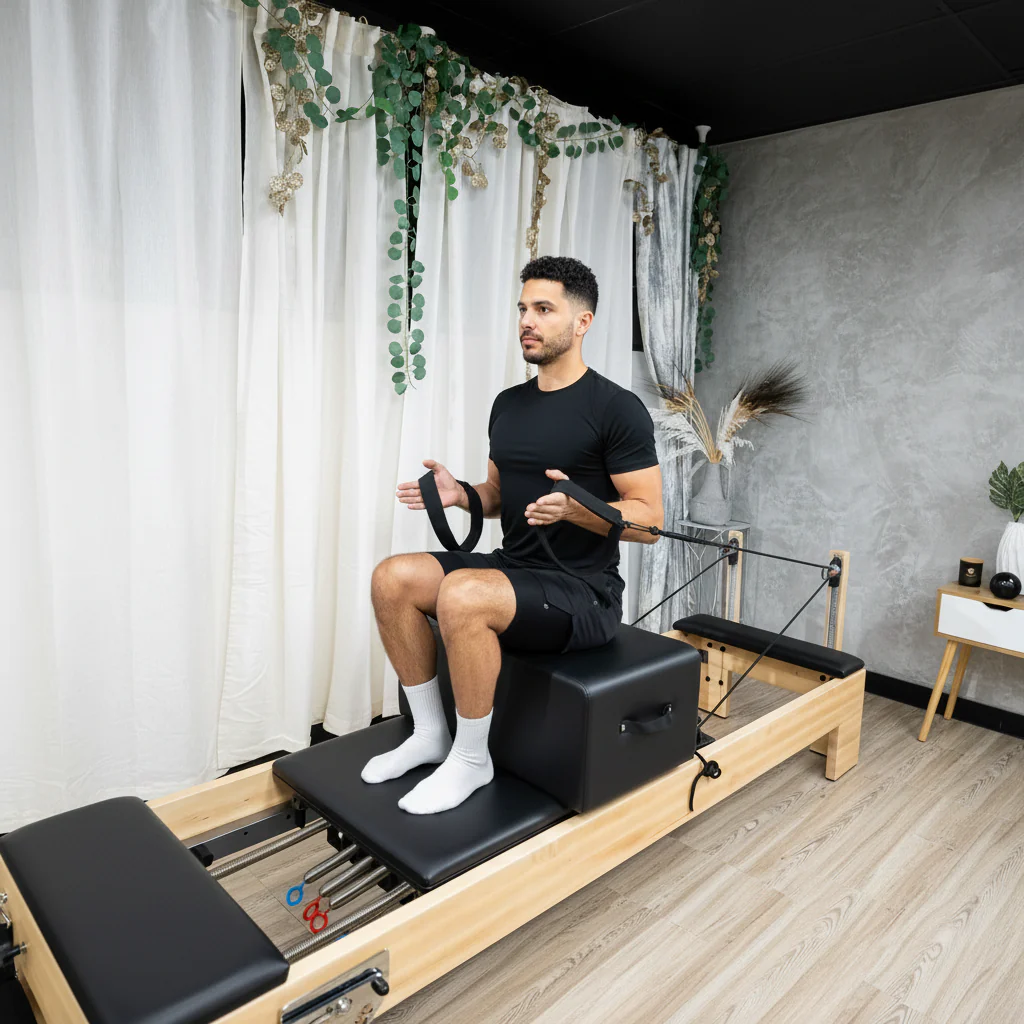
Pilates enthusiasts who look into creating a home Pilates setup often find that intention starts with the environment. When equipment is designed for practice rather than improvisation, sessions feel more purposeful. You step into training mode rather than squeezing movement between tasks.
This shift in mindset can completely change how home workouts feel.
Structure creates better movement
Pilates thrives on structure. Clear sequences, controlled resistance, and repeatable patterns help the body learn and improve. Without these elements, workouts can feel random and less effective.
People researching structured Pilates workouts at home usually want guidance without rigidity. They want to move with freedom, but inside a framework that supports correct form. A thoughtful setup encourages this balance by guiding movement rather than forcing it.
This is where PersonalHour fits naturally into the conversation.
Consistency becomes easier when setup is reliable
One reason studio Pilates delivers results is consistency. Classes happen at set times, in the same environment, with familiar equipment. At home, consistency often breaks down because setting up feels like extra work.
Those interested in building a sustainable Pilates routine often underestimate how much setup matters. When equipment is always ready and designed for regular use, practice becomes part of the day rather than a special event.
Over time, this leads to stronger habits and better outcomes.
Home practice allows deeper focus
In group classes, attention is shared. At home, attention turns inward. This allows practitioners to slow down, repeat movements, and focus on specific weaknesses without feeling rushed.
People who explore advanced Pilates practice at home value this control. They want to stay with an exercise longer, adjust tempo, and listen to their body. Home practice supports this depth when the setup allows smooth transitions and stable resistance.
This level of focus often leads to noticeable improvements in form and body awareness.
Space no longer defines quality
Many assume that studio quality requires large spaces. In reality, quality comes from how space is used, not how big it is.
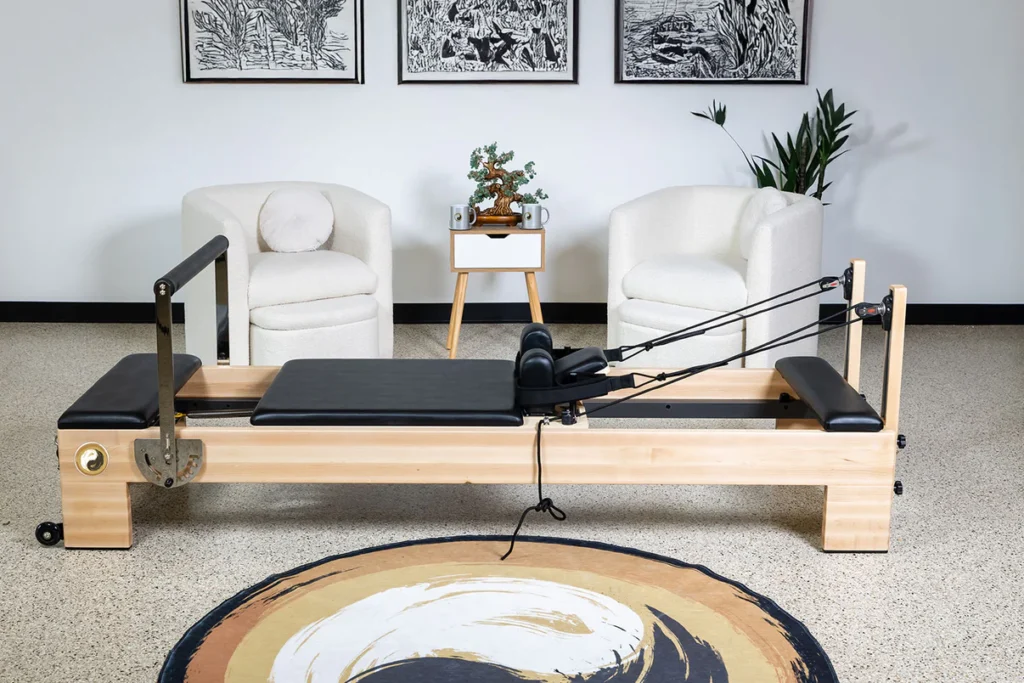
Those looking into Pilates equipment for apartments discover that compact setups can still deliver effective sessions. When equipment integrates into the home instead of dominating it, practice feels natural and sustainable.
This practicality is a major reason why interest in home Pilates continues to grow.
A more personal relationship with practice
Practicing at home changes the relationship with Pilates. It becomes less about attending a class and more about showing up for yourself. This personal ownership often deepens commitment.
For many practitioners, PersonalHour represents this shift toward self guided yet structured training.
The goal is not to replace instructors or studios, but to support consistent movement between sessions.
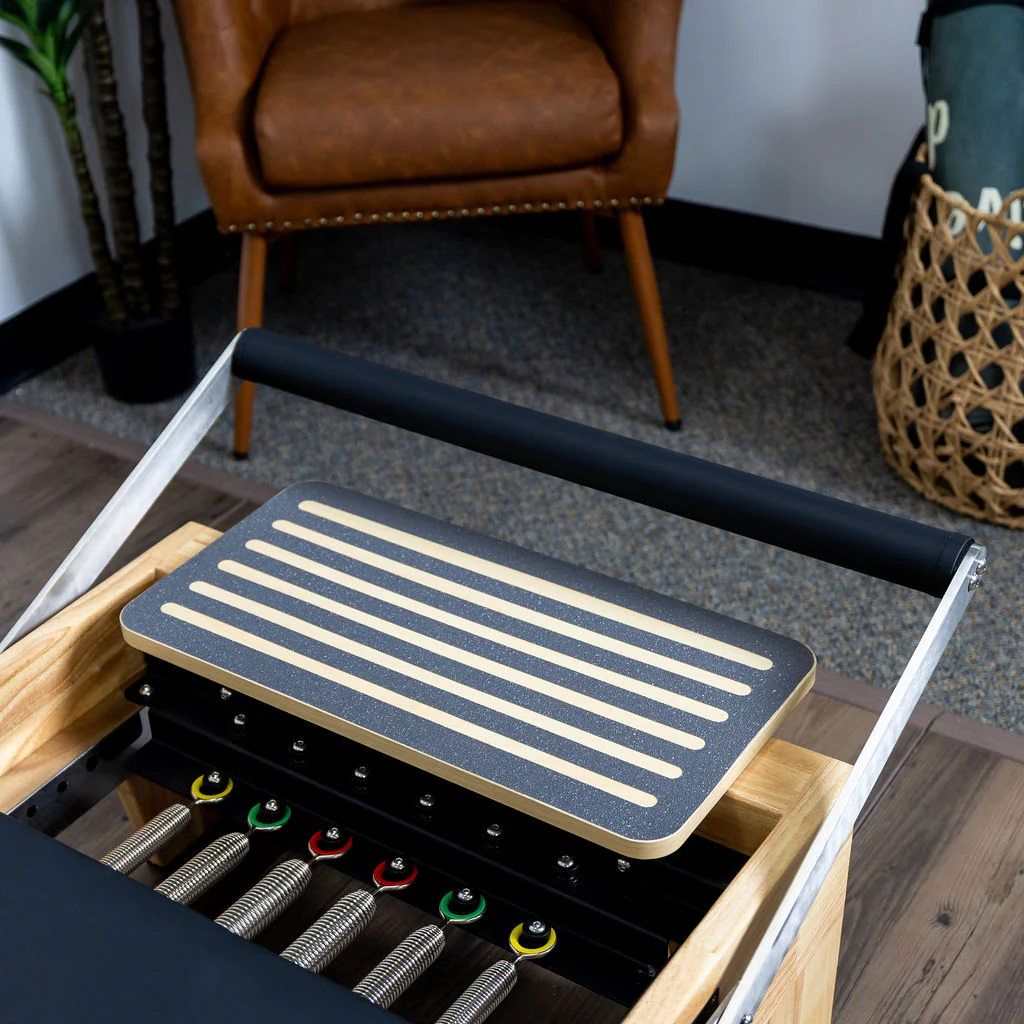
Why studio quality at home matters
When Pilates feels good, people keep doing it. When it feels scattered or improvised, motivation fades. Bringing studio level elements into the home removes friction and supports long term practice.
For Pilates enthusiasts who value quality over shortcuts, creating a home setup that respects the method makes all the difference.