

Strength training has long meant sets, reps, and hours spent moving between stations. A growing body of consumer interest now compares EMS muscle stimulation vs traditional exercise, asking whether electrical impulses can activate muscle fibers as effectively as a weighted barbell. The comparison matters most for people who want visible results without rearranging an entire schedule around a gym membership.
How NMES Technology Activates Muscle Differently Than Traditional Exercise
Traditional strength training relies on the brain sending voluntary signals down the nervous system to recruit muscle fibers. Neuro-Muscular Electrical Stimulation, or NMES, instead sends targeted electrical impulses directly to the muscle through surface contact, triggering contractions without a conscious lift. That distinction sits at the center of most discussions comparing Exercise, since the activation pathway itself differs even when the same muscle group is being worked.
Because the impulses can be delivered repeatedly in a short session, a single NMES session can produce hundreds of contractions in a compressed period. Reviewers often note this when contrasting EMS muscle stimulation vs traditional exercise for daily consistency rather than raw intensity. The appeal is less about replacing every form of movement and more about adding a dense, hands-free stimulus to existing habits.
The NextGen Ultra Stimulator Series: Targeted Activation Without Equipment
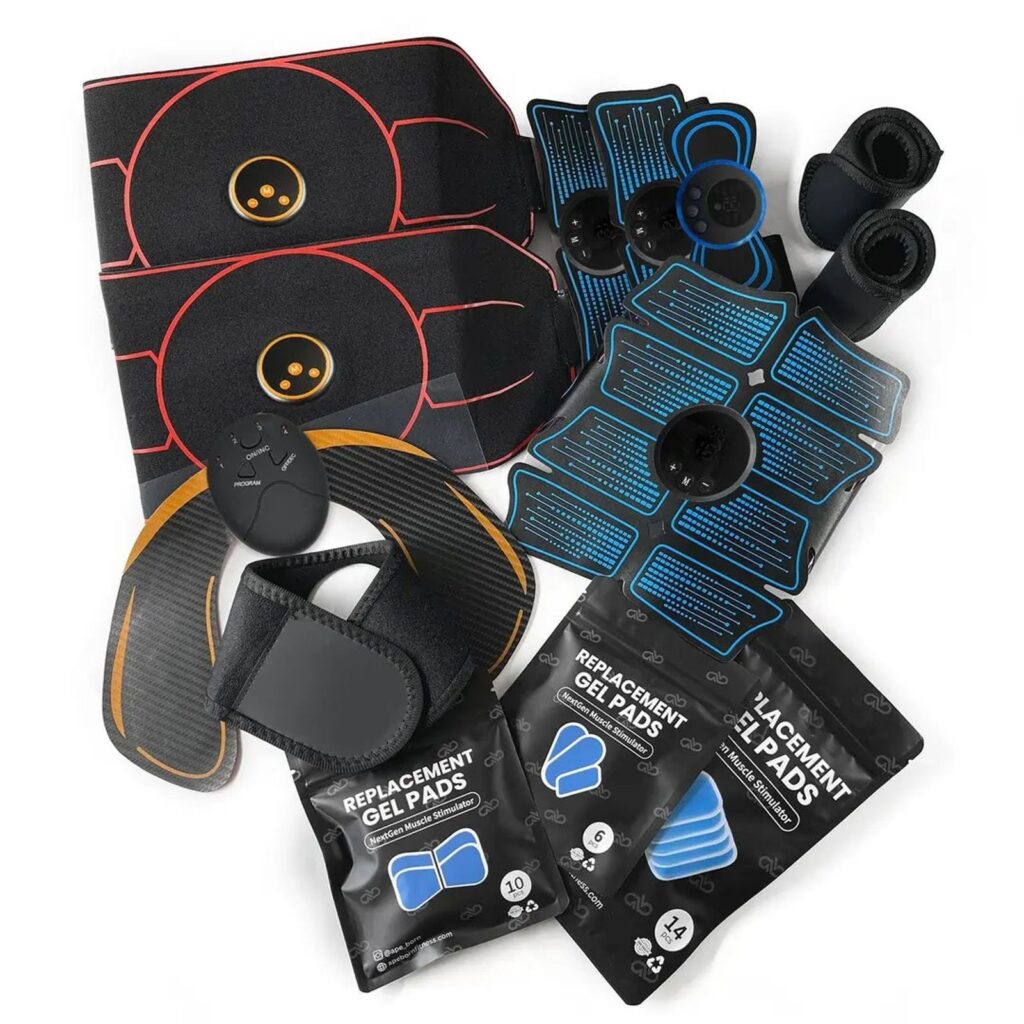
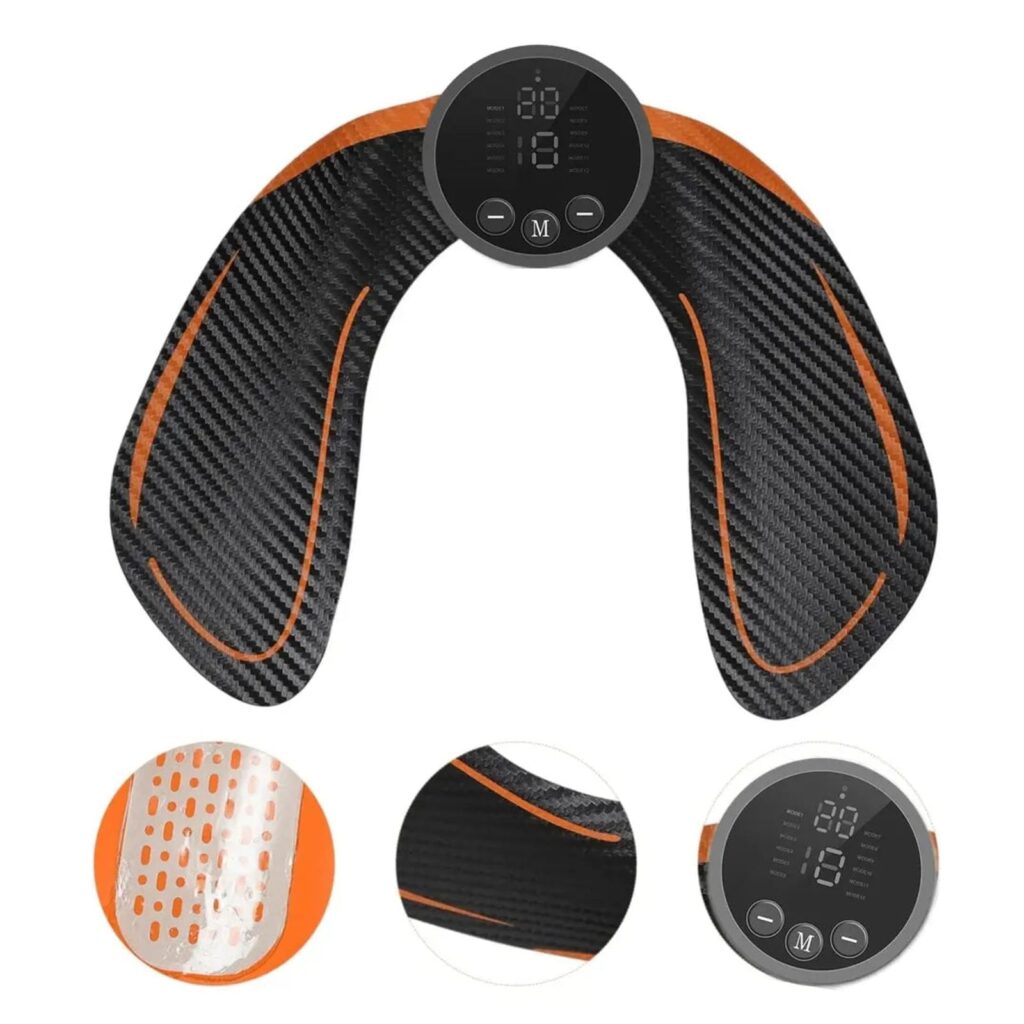
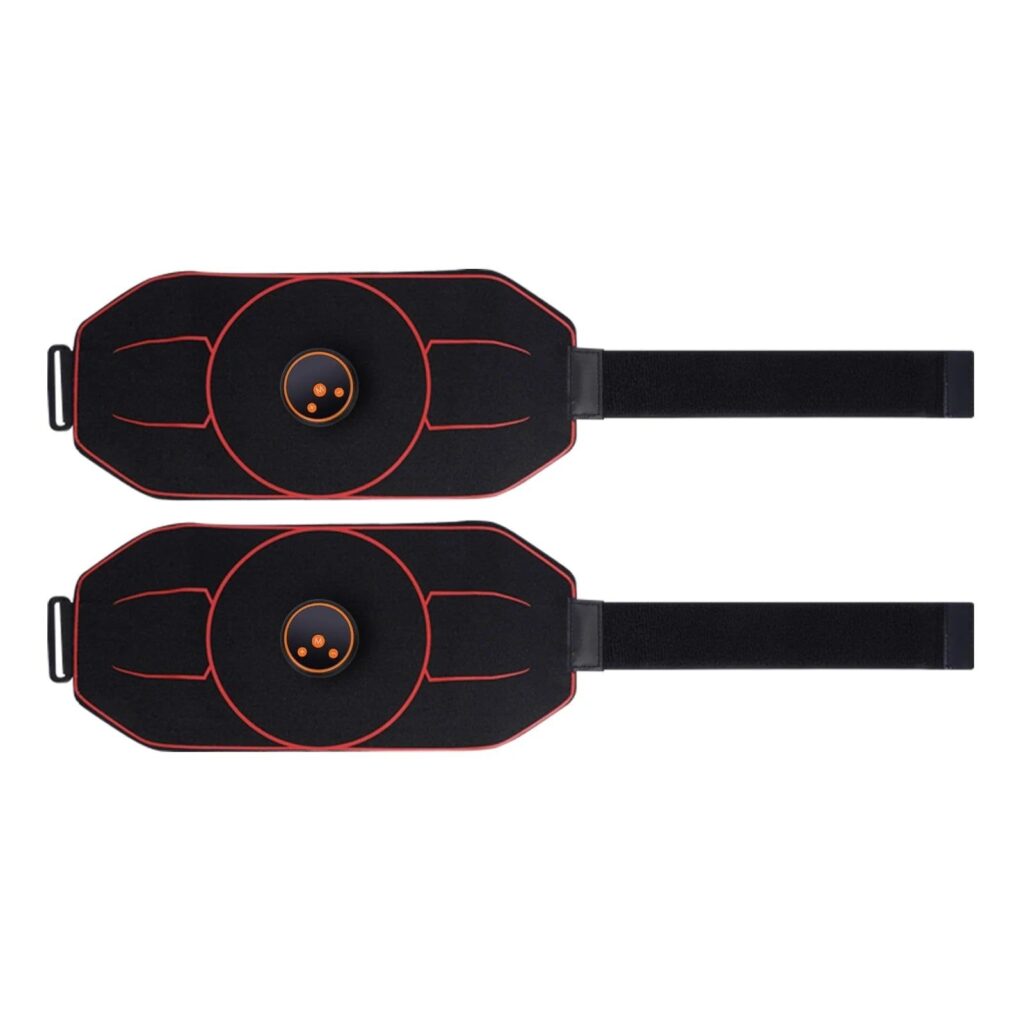
APE BORN Fitness builds its stimulator lineup around the NextGen Ultra Muscle Stimulator, which the brand describes as delivering 600+ deep muscle contractions per session while being 100% hands-free. The same product line extends into the NextGen Ultra Thigh Stimulator and the NextGen Ultra Calf Stimulator, each aimed at a specific lower-body muscle group. A combined NextGen Ultra Thigh & Calf Stimulators option pairs both devices for simultaneous use.
None of these devices require a bench, a rack, or a set of dumbbells. The brand markets them as rechargeable, with nothing to replace, refill, or maintain beyond periodic charging. That positioning speaks directly to anyone weighing the equipment question in the EMS muscle stimulation vs traditional exercise debate, since a stimulator strap takes up a fraction of the space a home gym corner would need.
Clinical Evidence: What 94% Visible Toning in 60 Days Means
APE BORN Fitness cites a figure from its own site stating that 94% of people saw visible toning within 60 days of use. The company also describes its stimulators as FDA-cleared, a regulatory distinction it places alongside the toning statistic. These two claims, taken together, form the core evidence the brand points to when positioning its devices against conventional training routines.
It is worth noting that the 94% figure is tied specifically to the stimulator experience described on the brand’s site, not to a generic EMS category claim. Readers comparing Exercise outcomes should treat that number as a brand-reported result rather than an independent study, since the source is the company itself. Still, the specificity of the figure, paired with the FDA-cleared designation, gives the claim more weight than a vague promise of toning.
Time Investment Comparison: 20 Minutes of EMS Versus Hours at the Gym
A recurring theme across the APE BORN Fitness product pages is the 20-minute session. The brand states that its NextGen Ultra Muscle Stimulator can replicate the equivalent of 60 minutes of sit-ups within that 20-minute window, while the NextGen Ultra Thigh Stimulator makes a similar comparison to 60 minutes of squats and the NextGen Ultra Calf Stimulator to 60 minutes of calf raises. Each comparison anchors a specific device to a specific traditional exercise rather than making one blanket claim for the whole lineup.
These comparisons illustrate why the time-efficiency argument dominates conversations around EMS muscle stimulation vs traditional exercise. A traditional strength circuit covering abs, thighs, and calves separately could easily take an hour or more once rest periods and exercise transitions are factored in. A stimulator session compresses that same muscle-group coverage into a shorter block of time, which is the central efficiency case the brand makes.
The Full-Body Approach With the NextGen Ultra Full Body Stimulator Kit
For anyone wanting broader coverage beyond a single muscle group, APE BORN Fitness offers the NextGen Ultra Full Body Stimulator Kit, which bundles four devices covering abs, arms, thighs, and calves. The brand states that this kit activates all four areas in one session and includes additional gifts alongside the devices. It positions the kit as its most complete at-home training system.
The Full Body Kit page states that a 20-minute session can burn up to 500 calories and that 94% of users saw visible toning within 60 days, attributing both figures to the bundled kit specifically. The brand also reports a 4.9 rating drawn from 42,012 verified reviews across its product pages, which it displays alongside those outcome figures. A 60-day money-back guarantee accompanies the kit, along with a note that orders ship from the USA.
Integrating EMS Stimulation Into an Existing Fitness Routine
Stimulator use does not need to replace every other form of activity to fit into a routine. Many people layer a short NMES session alongside existing habits like walking, stretching, or occasional strength work, treating the device as an additional tool rather than a full substitute. APE BORN Fitness‘s own preparation steps describe applying the included spray, fitting the device as directed, and choosing an intensity mode before following a routine.
Consistency appears to matter more than intensity in how the brand frames its product use, given the repeated emphasis on daily or near-daily sessions in customer accounts shared on its site. Because the devices are rechargeable and require no gel pad replacements, repeated use does not carry the ongoing upkeep that some other stimulation products involve. That lower maintenance burden is one more point raised in comparisons of EMS muscle stimulation vs traditional exercise equipment, where a treadmill or rack of weights demands far more physical space and upkeep.
- NMES devices deliver electrical impulses directly to muscle fibers rather than relying on voluntary nervous system activation the way conventional strength training does.
- A single stimulator session can pack in several hundred contractions within a short time frame instead of requiring multiple sets spread across an hour.
- Rechargeable stimulators eliminate the need for gel pad replacements or other consumable upkeep that some conventional equipment and accessories require.
- Stimulator devices take up minimal physical space compared to a home gym setup with racks, benches, or cardio machines.
- Targeted devices such as thigh, calf, and full-body kits allow specific muscle groups to be addressed without needing separate free-weight exercises for each one.
NMES and traditional training read less like rivals and more like tools built for different time budgets. The lasting question is not which method wins outright, but which fits the minutes actually available for movement.