
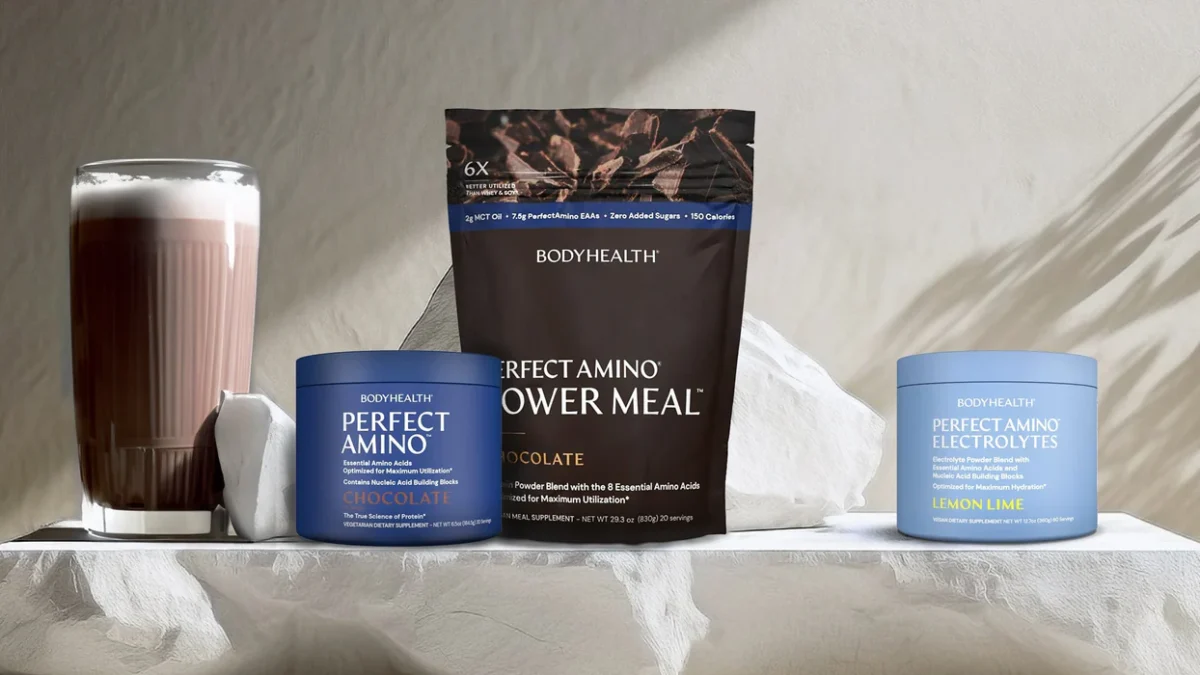
Wellness has shifted from quick fixes to more intentional, long-term habits that support how people feel, move, and function on a daily basis. Many consumers now look beyond trends and focus on balance, consistency, and quality when choosing health products. This mindset has opened the door for brands that prioritise education, formulation integrity, and practical use over hype. BodyHealth sits within this space, appealing to those who want simple, structured support for daily wellbeing without unnecessary complexity.
Rather than positioning wellness as a one size fits all solution, the brand aligns itself with routines that can be adapted over time. The emphasis remains on supporting the body as a system, not chasing extremes. This approach resonates with individuals who value clarity, ingredient transparency, and a calmer relationship with health.
TL;DR
This blog explores how BodyHealth fits into modern wellness routines, focusing on balance, ingredient awareness, and practical daily use, while highlighting why many people prefer a structured and informed approach to long term health support.
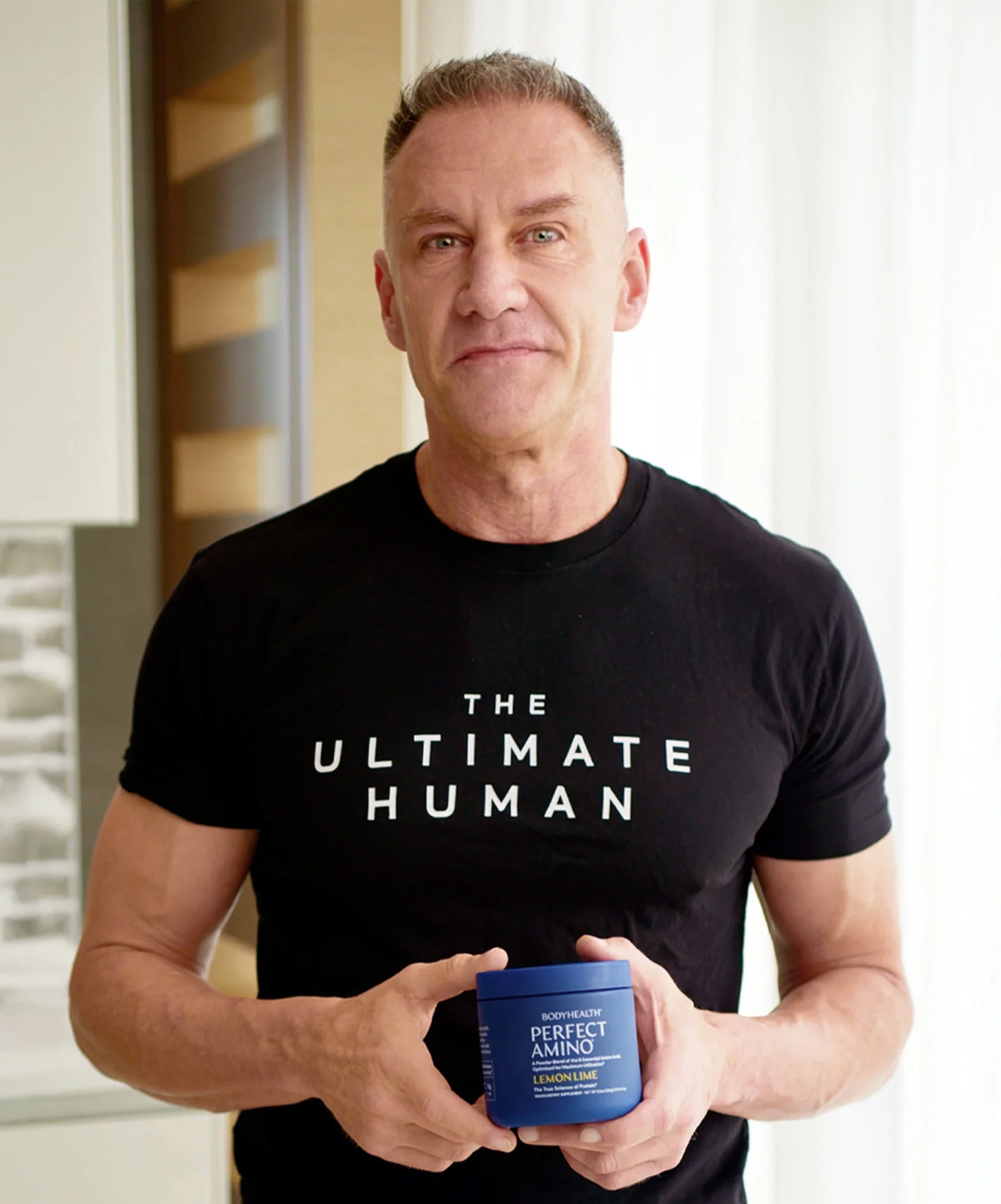
A Wellness Philosophy Built Around Consistency
Many wellness seekers struggle not with motivation but with sustainability. Short-term solutions often fade when they feel restrictive or complicated. A more effective approach prioritises small, repeatable actions that integrate smoothly into everyday life. This philosophy underpins the way BodyHealth presents its products and educational content.
Instead of encouraging drastic lifestyle changes, the focus remains on consistency. The idea is that supporting the body regularly, through manageable habits, leads to more noticeable and lasting results. This mindset appeals to people who are tired of extremes and prefer realistic wellness strategies they can maintain.
Education plays a key role here. By encouraging users to understand how different elements of wellness work together, the brand positions itself as a guide rather than a shortcut. This builds trust and helps consumers feel more confident in their choices.
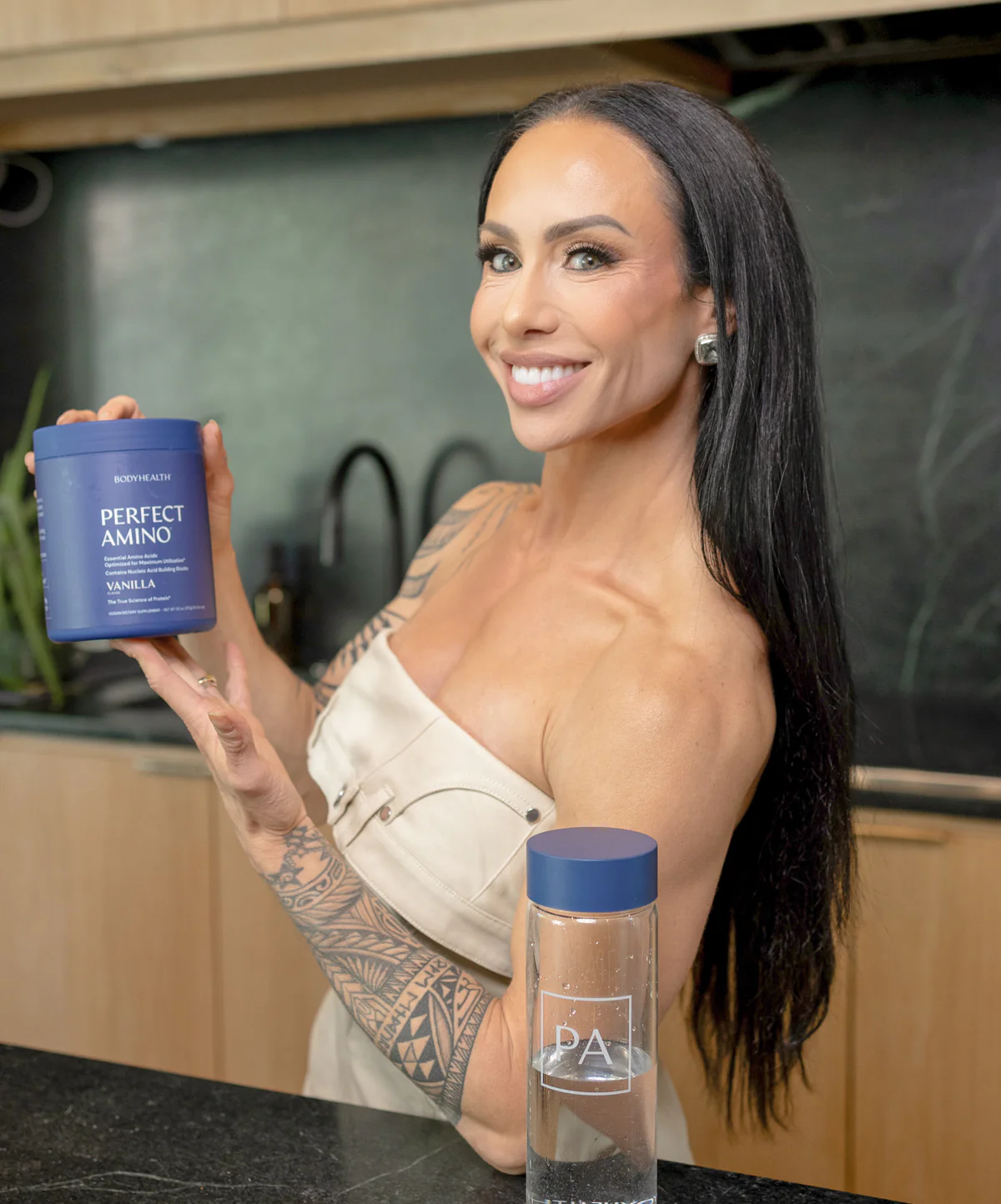
Ingredient Awareness and Formulation Transparency
One of the strongest shifts in consumer behaviour is the demand for clarity around ingredients. People want to know what they are putting into their bodies and why. This expectation has pushed wellness brands to be more open about sourcing, formulation, and purpose.
BodyHealth responds to this demand by keeping its messaging focused on what goes into its products and how those components fit into a broader wellness routine. Rather than overwhelming users with technical language, information is presented in a way that feels accessible and relevant.
This transparency supports informed decision making. When users understand the role of ingredients, they are more likely to use products consistently and appropriately. It also reinforces the idea that wellness is collaborative, not something handed down without explanation.

How Structured Wellness Fits Modern Lifestyles
Busy schedules, digital overload, and constant demands make it difficult for many people to prioritise health. Wellness solutions that feel complicated often get pushed aside. Structured approaches that respect time and energy constraints tend to perform better in real life.
The appeal of BodyHealth lies in its ability to fit into existing routines rather than requiring a full lifestyle overhaul. Products are positioned as supportive tools, not replacements for healthy habits. This framing helps users see wellness as additive rather than disruptive.
By aligning with modern lifestyles, the brand avoids guilt based marketing. There is no pressure to be perfect, only encouragement to be consistent. This tone feels refreshing in a space that often leans toward extremes.
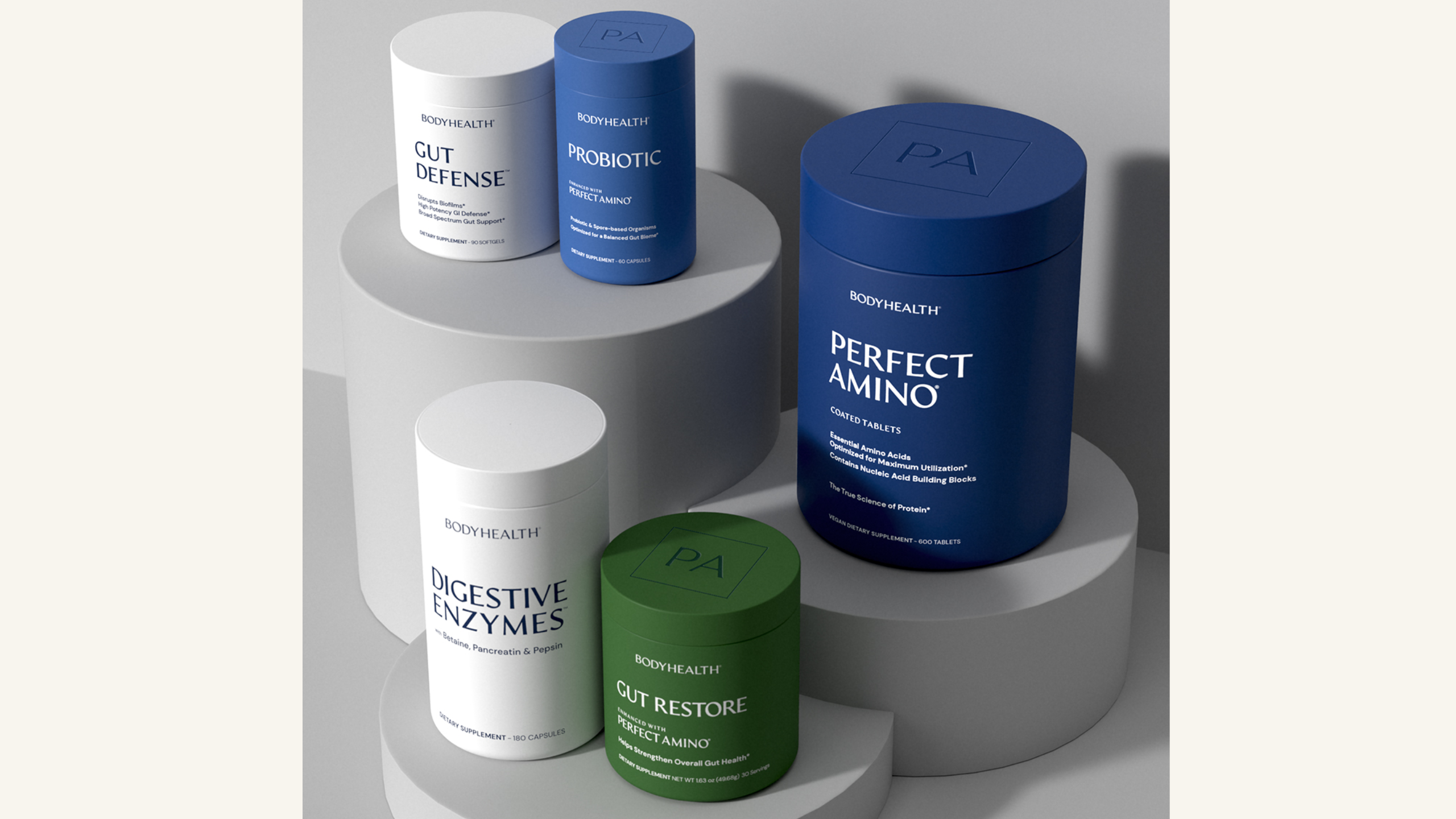
Where Education Meets Everyday Use
Wellness education is most effective when it connects directly to daily actions. Abstract concepts rarely change behaviour on their own. Practical guidance, on the other hand, empowers users to apply what they learn in meaningful ways.
This balance between education and usability strengthens the BodyHealth identity. Information is not presented as theory alone but as part of a broader context that includes daily routines, personal goals, and long term wellbeing.
One section that stands out for many readers is the way key wellness considerations are summarised in an easy to scan format.
- Focus on daily consistency rather than occasional intensity
- Choose products that complement existing healthy habits
- Prioritise understanding ingredients and their purpose
- Avoid all or nothing thinking when building routines
- View wellness as a long term relationship with the body
This type of guidance supports informed use without overwhelming the reader.

Building Trust Through Long Term Thinking
Trust in wellness brands often develops over time. Users want to see that a company is committed to sustainable practices, honest communication, and long term support. Quick claims may attract attention, but they rarely build loyalty.
BodyHealth positions itself within a long term framework. The messaging avoids urgency and instead encourages patience and observation. This approach helps users tune into their bodies and adjust routines as needed, rather than chasing immediate results.
Such positioning appeals to experienced wellness consumers who have tried multiple approaches and now value stability over novelty. It also helps newer users avoid burnout by setting realistic expectations from the start.

A Calm Conclusion for Modern Wellness Seekers
Wellness does not need to be loud, complicated, or overwhelming to be effective. For many people, the most impactful changes come from small, thoughtful adjustments made consistently over time. Brands that understand this shift are better positioned to support real world health goals.
BodyHealth reflects this calmer, more intentional approach. By focusing on education, ingredient clarity, and practical integration, it speaks to individuals who want to build sustainable routines without unnecessary pressure. For those seeking a grounded path to everyday wellness, this perspective feels both reassuring and achievable.