
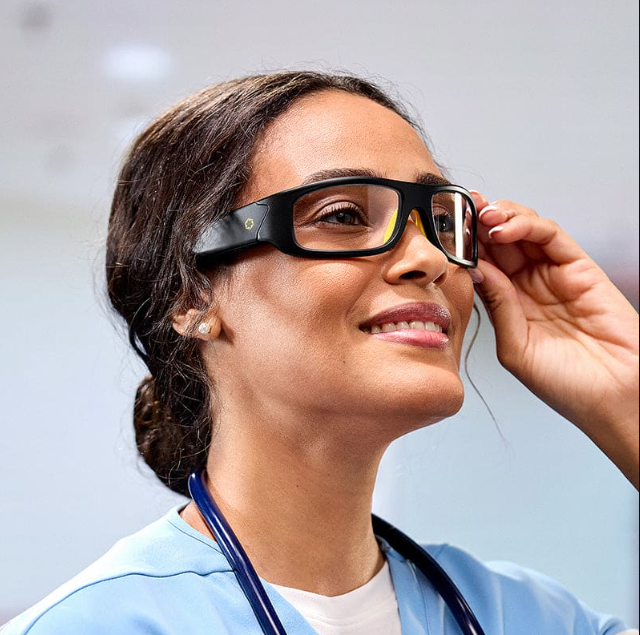
Technology has become increasingly integrated into the accessories people use every day. Watches track activity, earbuds provide instant access to entertainment, and smartphones keep communication within easy reach. Lucyd Eyewear takes this evolution in another direction by incorporating connected technology into something millions of people already wear: glasses. Its smart eyewear combines traditional frame styling with features such as Bluetooth connectivity, open-ear audio, microphones, hands-free communication, and access to compatible voice-based services.
The concept behind Lucyd is particularly appealing because the technology is designed to fit naturally into everyday routines. Rather than requiring users to wear an obviously technical headset, Lucyd places smart features inside familiar-looking frames. This creates eyewear that can provide practical optical functions while also serving as a connected wearable device.
Understanding Lucyd Smart Eyewear
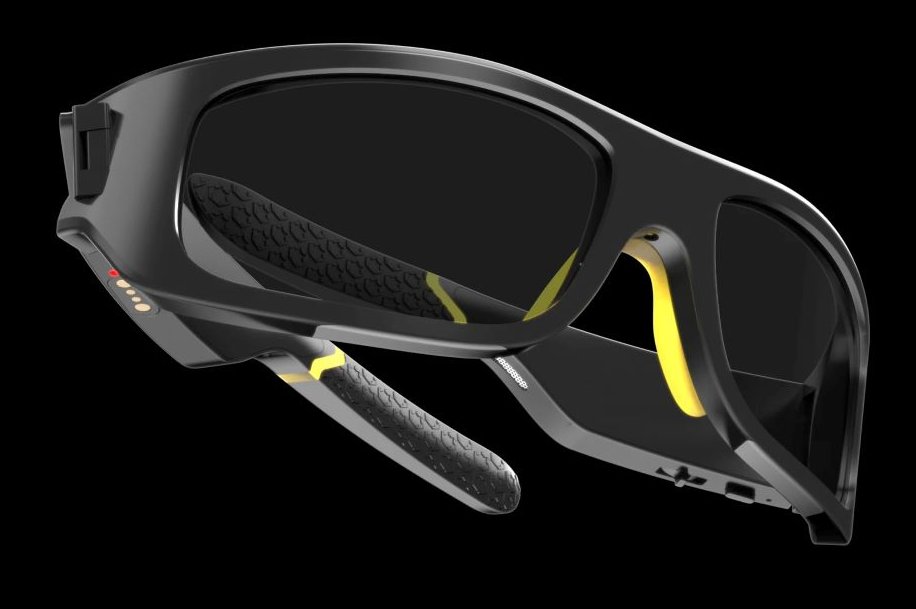
Lucyd specializes in smart glasses designed to connect wirelessly with compatible smartphones. Once connected through Bluetooth, the eyewear can act as an audio and communication interface between the wearer and their mobile device.
This means users can listen to music, hear navigation instructions, enjoy podcasts, make calls, and interact with supported voice services without necessarily holding their phones.
The concept does not attempt to eliminate smartphones completely. Instead, Lucyd provides a more convenient way to access selected smartphone functions. For people who already wear glasses regularly, incorporating these capabilities into eyewear can be especially practical.
Open-Ear Audio Without Traditional Earbuds
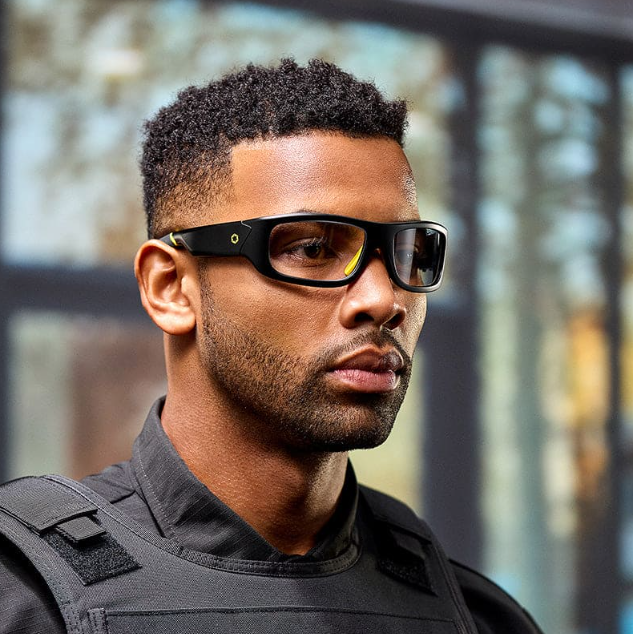
One of the most important features associated with Lucyd Eyewear is open-ear audio. Speakers are built into the frame and positioned to deliver sound toward the wearer without requiring earbuds to be inserted into the ears.
This setup can be useful for listening to music, audiobooks, podcasts, calls, and spoken directions.
Open-ear audio offers a different experience from noise-isolating headphones. Rather than attempting to completely separate users from their surroundings, it allows more environmental sound to remain audible.
That can be convenient while walking, traveling, working around the home, or performing other appropriate everyday activities. Users should still maintain safe listening levels and pay close attention to their surroundings, particularly near roads and traffic.
Convenient Hands-Free Calls

Communication is another important part of the Lucyd experience. Integrated microphones work alongside the speakers to support hands-free phone calls through a connected device.
When a compatible smartphone is paired with the eyewear, users can communicate without continuously holding the phone against their ear. This can be convenient when walking, working, or handling other tasks.
For people who frequently make short calls throughout the day, having communication capabilities integrated into something they are already wearing can reduce the need to switch repeatedly between glasses, a phone, and separate wireless earbuds.
It is a straightforward idea, but one that illustrates the practical potential of wearable technology.
Connecting Eyewear with Artificial Intelligence
Artificial intelligence is changing how people search for information, generate ideas, communicate, and interact with digital devices. Smart eyewear provides an interesting way to bring some of these experiences into a more hands-free format.
Lucyd smart glasses can work with compatible smartphones and voice-enabled services, potentially allowing users to interact with supported AI tools through spoken commands.
Instead of stopping to type a question, a wearer could use voice interaction for general information, brainstorming, assistance with ideas, or other compatible tasks.
The underlying smartphone and software remain important to this experience. The glasses essentially provide a convenient wearable interface for accessing supported services.
As voice-based AI continues improving, this type of interaction could become an increasingly significant part of smart eyewear.
Prescription Glasses with Smart Features
Smart functionality becomes much more practical when eyewear can also address the wearer’s vision needs. Lucyd provides prescription lens possibilities for compatible frames, allowing eligible customers to combine vision correction with connected technology.
This is particularly useful for people who already wear prescription glasses throughout the day.
Instead of carrying regular glasses alongside another wearable device, customers can potentially have prescription lenses, audio, microphones, and Bluetooth connectivity within the same pair of frames.
Customers purchasing prescription eyewear should carefully check their prescription information and the lens options supported by their chosen frame. Frame measurements and fit should also be considered before ordering.
Smart Sunglasses for Outdoor Lifestyles
The Lucyd concept can extend beyond traditional clear-lens eyewear. Smart sunglasses provide another way to combine familiar optical products with modern technology.
Sunglasses with integrated audio can be useful during vacations, sightseeing, walks, and other outdoor activities. Users can listen to entertainment or navigation directions while benefiting from appropriate sunglass lenses.
For travelers, this can be especially convenient. Carrying fewer separate accessories can simplify a day of exploring, while spoken navigation may reduce the need to repeatedly look at a smartphone.
However, users should always prioritize awareness and safety when using audio features outdoors.
Style Remains an Important Consideration
No matter how advanced glasses become, appearance still matters.
Eyewear occupies a prominent position on the face and can significantly influence someone’s overall look. For that reason, smart glasses need to succeed as eyewear as well as technology.
Lucyd offers different frame styles so customers can consider factors such as shape, dimensions, fit, and appearance alongside technological capabilities.
Someone may prefer a simple frame for professional and everyday use, while another customer might want a more distinctive pair of sunglasses. Offering different designs helps smart eyewear become easier to incorporate into different wardrobes and lifestyles.
A Useful Companion for Travel
Travel provides many situations where smart eyewear can be helpful. Travelers regularly use phones for maps, communication, entertainment, and accessing information.
With connected glasses, certain interactions can become more convenient. Spoken navigation directions can be heard without continuously looking at a screen, while hands-free calling can be useful when carrying luggage or moving through busy locations.
Podcasts, music, and audiobooks can provide entertainment during waiting periods and journeys.
For people who require prescription eyewear, having connected features built into their everyday glasses can also mean fewer devices and accessories to manage while traveling.
Everyday Work and Productivity
Lucyd Eyewear can have applications in working life as well.
Professionals who frequently move around may appreciate the ability to handle compatible calls without constantly reaching for their phones. Audio functionality can also provide access to educational material, podcasts, and spoken content during suitable moments.
Voice interaction adds another possibility by allowing certain digital tasks to be initiated without typing.
Smart glasses will not replace a dedicated professional headset in every environment, particularly when strong sound isolation is required. However, they can provide a convenient alternative for lighter everyday communication and audio needs.
Less Dependence on the Smartphone Screen
A major advantage of smart eyewear is not necessarily replacing smartphones but reducing how frequently users need to look at them.
Many daily smartphone interactions are brief. People check screens to answer calls, change audio, follow navigation, or access simple information.
By moving some of these interactions to voice and audio, smart glasses can allow the phone to remain in a pocket or bag for longer periods.
For users interested in staying connected while spending less time looking down at a screen, this could be one of the most attractive aspects of Lucyd Eyewear.
What to Consider Before Choosing Lucyd Eyewear
Customers should compare available Lucyd models carefully before purchasing. Important considerations include frame size, fit, lens choices, prescription compatibility, Bluetooth features, battery performance, microphones, audio capabilities, charging, controls, and intended use.
Comfort should be a priority because glasses may be worn for many hours at a time. Prescription customers should also ensure that their optical requirements are compatible with their chosen frame.
Because product specifications, prices, warranties, delivery options, and return conditions can change, shoppers should check the latest information directly from Lucyd when making a purchase.
Conclusion
Lucyd Eyewear brings a modern technological dimension to an accessory people have relied on for generations. By combining recognizable eyewear with Bluetooth connectivity, open-ear audio, microphones, hands-free communication, and access to compatible voice services, Lucyd creates smart glasses intended to fit naturally into everyday life.
Prescription possibilities add practical value for regular glasses wearers, while smart sunglass options can appeal to travelers and people with active lifestyles. Different frame designs also help customers find eyewear that reflects their personal appearance rather than choosing technology alone.