
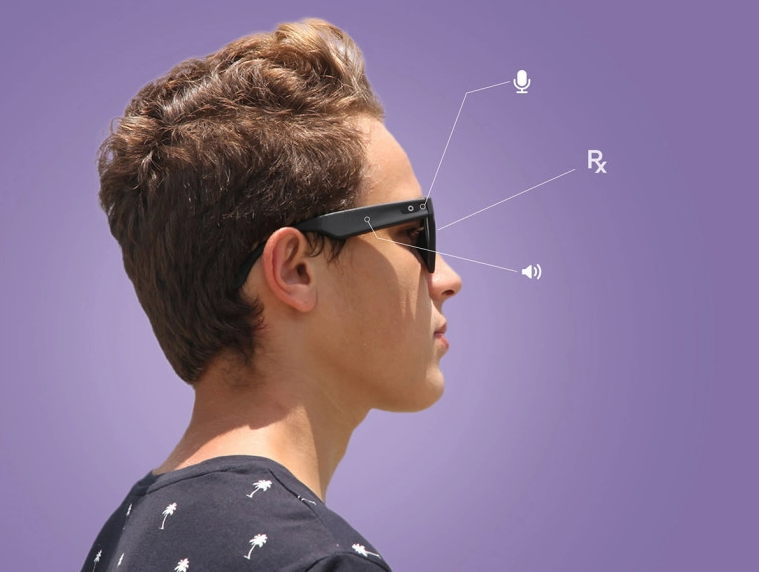
Technology is becoming an increasingly natural part of everyday life, moving beyond smartphones and computers into watches, headphones, clothing, and eyewear. Lucyd Eyewear represents this evolution with smart glasses designed to combine familiar eyewear with connected features. By incorporating audio, microphones, Bluetooth connectivity, and voice-based functionality into wearable frames, Lucyd offers an interesting alternative for people who want to stay connected without constantly reaching for their phones.
What makes Lucyd particularly interesting is its effort to keep smart eyewear looking and functioning like regular glasses. Instead of creating an oversized technology headset, the company offers frames intended for everyday use, with options that can accommodate different styles and vision requirements.
Whether used for listening to music, answering calls, accessing voice assistants, or interacting with AI-powered tools through a connected device, Lucyd Eyewear demonstrates how traditional glasses can become part of a modern digital lifestyle.
What Is Lucyd Eyewear?
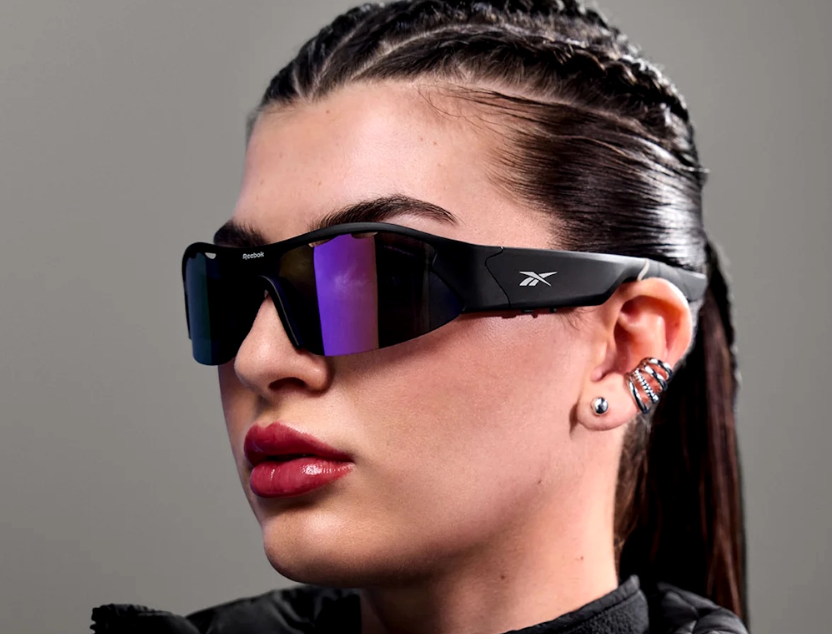
Lucyd is a technology-focused eyewear brand specializing in Bluetooth-enabled smart glasses. Its products combine conventional eyewear with wireless audio and communication capabilities.
The basic concept is straightforward: instead of wearing glasses and separate wireless earbuds, compatible Lucyd frames incorporate speakers and microphones directly into the temples. Once connected to a smartphone through Bluetooth, the glasses can provide access to calls, music, podcasts, navigation instructions, and voice-enabled digital services.
This approach makes smart functionality less intrusive. Users can continue wearing an accessory that already has a practical purpose while gaining additional connected features.
For people who require vision correction, prescription-compatible options make the concept even more useful because the smart glasses can potentially replace ordinary prescription frames rather than becoming another device to carry.
Smart Technology in Familiar Frames
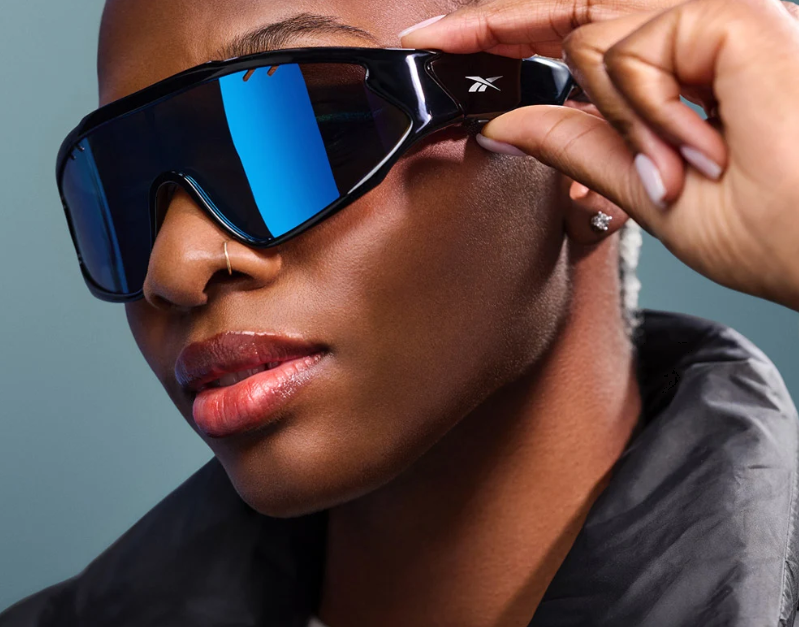
One of the biggest challenges for wearable technology is design. No matter how impressive a device may be technically, customers are less likely to wear it regularly if it feels uncomfortable or looks excessively bulky.
Lucyd addresses this challenge by putting its technology inside frames designed to resemble everyday eyewear.
This is particularly important because glasses are highly visible. They become part of a person’s appearance in a way that a smartphone in a pocket does not. Frame shape, proportions, fit, and overall styling therefore remain important even when advanced technology is involved.
Lucyd offers different frame designs so customers can consider their personal style alongside the smart functionality they want.
Open-Ear Audio for Everyday Listening
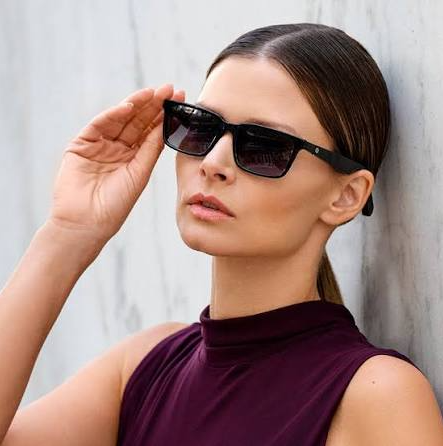
One of the central features of Lucyd smart glasses is open-ear audio.
Instead of placing earbuds directly inside the ears, speakers built into the glasses direct audio toward the wearer. This makes it possible to listen to music, podcasts, audiobooks, navigation instructions, and other smartphone content without inserting separate earphones.
Open-ear listening can have practical advantages in situations where maintaining awareness of the surrounding environment is important. For example, someone walking through a city may want to hear navigation instructions while remaining aware of traffic and people nearby.
The same feature can be convenient at home, while traveling, or during suitable everyday activities.
As with any audio product, users should keep volume at a responsible level and remain attentive to their surroundings, particularly near roads and other potentially hazardous environments.
Hands-Free Phone Calls
Lucyd Eyewear can also support hands-free communication through integrated microphones and speakers.
Once the glasses are paired with a compatible smartphone, users can make and receive calls without necessarily holding the phone to their ear.
This can be helpful when walking, moving between tasks, or working in situations where frequently picking up a smartphone is inconvenient.
The microphones allow the wearer to speak naturally while the integrated speakers provide the other person’s audio.
Although wireless earbuds already provide similar functionality, smart eyewear offers a different approach by combining communication capabilities with an accessory the user may already be wearing throughout the day.
Bluetooth Connectivity
Bluetooth connectivity is central to the Lucyd smart-eyewear experience.
By connecting the glasses to a smartphone, users can access many of the audio functions normally available through wireless headphones. Music streaming, calls, spoken navigation, podcasts, and compatible voice assistants can all become easier to access.
The benefit is not that the glasses completely replace a smartphone. Instead, they provide another way to interact with selected smartphone functions.
This distinction makes Lucyd’s approach relatively practical. Rather than requiring customers to replace their existing digital ecosystem, the eyewear works alongside compatible devices and applications.
Smart Eyewear and Artificial Intelligence
Artificial intelligence is rapidly changing how people interact with technology, and smart glasses provide an interesting interface for voice-based AI.
With compatible software and a connected smartphone, Lucyd eyewear can provide convenient access to AI-powered tools. A user may be able to ask questions or interact with supported digital services through voice rather than stopping to type on a phone.
The possibilities are broad. Someone could use voice-based AI for brainstorming, learning, generating ideas, obtaining general information, or assisting with everyday questions.
For professionals, hands-free AI interaction could potentially complement certain workflows. Travelers may find voice-based assistance useful when exploring new places, while students and lifelong learners could use it as another way to interact with educational information.
Users should, of course, verify important AI-generated information rather than assuming every response is automatically accurate.
Prescription Options Add Practical Value
Smart glasses become significantly more useful when they can also address the wearer’s actual vision requirements.
Lucyd provides prescription lens options, allowing eligible customers to combine vision correction and connected functionality in the same pair of glasses.
This can be particularly attractive to people who already wear prescription eyewear every day. Instead of putting on a separate smart device, the technology becomes part of something they already need.
When purchasing prescription smart glasses, customers should carefully review frame compatibility, lens options, measurements, and prescription requirements before ordering.
Correct fit is especially important for smart eyewear because the temples contain electronic components in addition to performing the usual job of holding the glasses comfortably in place.
Smart Sunglasses for Life Outdoors
Lucyd’s smart-eyewear concept can also be combined with sunglasses.
Smart sunglasses can be particularly useful during vacations, road trips, walks, sightseeing, and other outdoor activities. Wearers can enjoy compatible audio while benefiting from appropriate sunglass lenses.
For travelers, this can reduce the number of separate accessories they need to manage. Instead of carrying sunglasses and wireless earbuds for certain situations, smart eyewear combines both functions.
A traveler exploring an unfamiliar destination might also listen to spoken directions without repeatedly looking down at a smartphone.
When using smart glasses outdoors, however, awareness should remain the priority. Technology should complement safe travel rather than distract from traffic, signs, people, or other surroundings.
A Different Approach to Music and Podcasts
Music and podcasts are among the most natural uses for audio-enabled eyewear.
Someone who frequently listens to podcasts during a morning walk or commute can access their content without necessarily putting earbuds into their ears. At home, smart glasses could accompany activities such as cooking or completing household tasks.
The experience is fundamentally different from traditional over-ear headphones, particularly when it comes to isolation. Open-ear glasses are designed around convenience and environmental awareness rather than completely blocking outside sounds.
For customers deciding between smart glasses and conventional headphones, understanding this distinction is important. Each product serves different listening situations.
Useful Features for Travelers
Travel frequently requires people to manage multiple tasks simultaneously. A smartphone may be needed for tickets, maps, reservations, communication, translation, entertainment, and researching destinations.
Smart eyewear can make some of these interactions more convenient by bringing compatible audio and voice functionality closer to the user.
Spoken navigation is a particularly useful example. Instead of checking a phone screen at every turn, travelers can potentially listen to directions through their glasses while continuing to observe their surroundings.
Hands-free calls also make communication easier when carrying luggage, while music and podcasts can provide entertainment during waiting periods.
Prescription smart sunglasses can offer additional convenience for people who require corrective lenses while traveling.
Smart Glasses for Work and Productivity
Lucyd Eyewear may also appeal to professionals interested in hands-free technology.
People who spend their working day moving between locations can use compatible smart glasses for calls and audio without constantly handling another device. Voice-enabled functionality may also make it easier to perform simple digital interactions while keeping the hands available for other tasks.
Remote and hybrid workers may find the concept useful for certain calls or audio-based activities, although conventional headsets may remain preferable when maximum audio isolation or microphone performance is required.
As with any speaker-based device, consideration for other people is important. Open-ear audio should be used responsibly in quiet offices and shared environments.
Reducing the Need to Check Your Phone
One of the most compelling ideas behind smart eyewear is the possibility of spending less time physically interacting with a smartphone.
Modern phones perform countless useful functions, but they can also encourage users to look at screens for tasks that require only a few seconds.
Answering a call, hearing navigation instructions, starting audio, or using a voice assistant may not always require looking at a display.
Smart glasses create another interface for these interactions. The smartphone remains responsible for much of the underlying functionality, while the eyewear provides a more immediate way to access it.
For people interested in remaining connected while reducing unnecessary screen checking, this may be one of the most attractive aspects of the technology.
Style Still Matters
Technology alone is not enough to make successful eyewear.
Because glasses are worn directly on the face, customers naturally care about how they look. Frame shape can influence the overall appearance of an outfit and become an important part of someone’s personal style.
Lucyd’s approach recognizes this by offering smart technology within different frame designs.
Customers can therefore consider familiar eyewear factors such as frame dimensions, shape, lens type, and overall appearance alongside specifications such as connectivity, audio capabilities, battery performance, and controls.
This intersection between fashion and electronics is likely to become increasingly important as smart glasses develop.
Choosing the Right Lucyd Eyewear
Customers considering Lucyd glasses should compare models carefully because specifications and features may differ.
Important factors can include frame dimensions, weight, lens compatibility, prescription options, Bluetooth functionality, battery life, charging method, audio performance, microphone features, controls, and water resistance.
Intended use should also influence the decision. Someone primarily interested in prescription glasses for work may have different priorities from a customer looking for smart sunglasses for travel.
Buyers should also review current shipping, warranty, returns, prescription-lens, and support policies before placing an order. Smart eyewear combines electronics with optical products, so understanding the conditions associated with both elements is particularly important.
The Future of Connected Eyewear
The potential of smart glasses extends well beyond playing music and making phone calls.
As artificial intelligence, voice recognition, battery technology, and wearable electronics improve, eyewear could become an increasingly important way of interacting with digital information.
The long-term appeal lies in making technology feel less disruptive. Rather than repeatedly stopping to look at a screen, users may increasingly interact with digital services through natural voice commands and wearable interfaces.
Smart glasses are particularly well positioned for this transition because eyewear is already a familiar part of everyday life for millions of people.
The challenge for manufacturers is to integrate increasingly capable technology while keeping frames comfortable, attractive, practical, and easy to use.
Why Lucyd Eyewear Is Interesting
Lucyd stands out because it approaches smart glasses as wearable everyday eyewear rather than simply a technology demonstration.
Its combination of open-ear audio, microphones, Bluetooth connectivity, prescription possibilities, sunglass options, and voice-enabled functionality creates a product category that sits somewhere between conventional glasses and wireless audio devices.
For some users, traditional glasses and earbuds will continue to be the preferred combination. For others, integrating several functions into one wearable product may offer meaningful convenience.
The strongest appeal is likely to come from people who already wear glasses frequently and regularly use wireless audio, phone calls, navigation, or voice assistants.
Conclusion
Lucyd Eyewear brings together eyewear, audio, communication, and connected technology in a format designed for everyday use. Rather than asking customers to wear an entirely unfamiliar gadget, Lucyd integrates smart functionality into recognizable glasses and sunglasses.
Open-ear speakers allow users to listen to music, podcasts, calls, and navigation while remaining more aware of their surroundings than they might with isolating headphones. Integrated microphones provide hands-free communication, while Bluetooth connectivity allows the eyewear to work alongside compatible smartphones and digital services.
Prescription lens options make the concept especially practical for people who already depend on glasses, while different frame styles help ensure that technology does not completely overshadow personal appearance.